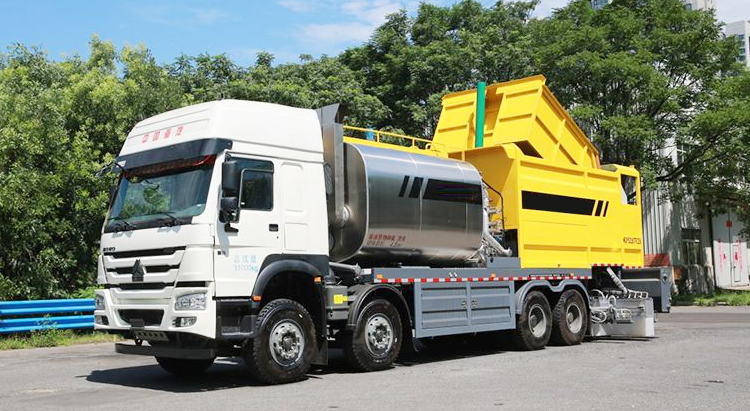

“Double I-beam” is often used informally in truck listings. Depending on the speaker, it may refer to two steering axles, an axle-beam shape, chassis rails or a general claim of strength. It is not enough information to identify a suspension or order a component.
Ask what the term points to
Request a photograph and have the seller mark the relevant structure. Then record the drive formula, number of steering axles, suspension type and axle identification. If the subject is the chassis frame, ask for rail and reinforcement details separately. Avoid translating the phrase directly into a technical specification without physical evidence.
- Wide view of the complete front-axle arrangement.
- Identification plate or casting marks for each axle.
- Steering linkage, spring and mounting-point photographs.
- Tyre wear and ride-height observations by position.
Inspect the actual components
Look for cracks, deformation, corrosion, damaged fasteners, displaced springs, worn bushes and fluid leaks. Check steering joints and wheel-bearing condition according to the service procedure. Uneven tyre wear may indicate alignment, load, suspension or steering issues, but it does not identify the cause by itself. Safety-critical findings need a qualified inspection before operation.
Do not confuse other truck terms
A B-double describes a trailer combination in some markets and is unrelated to an I-beam front axle. Twin-steer, tandem drive and reinforced frame also describe different features. Write each feature in its own row so that a marketing phrase does not merge the steering, chassis and trailer configuration.
Order parts from assembly identity
For front-axle or suspension parts, provide the axle identification, VIN context where appropriate, existing part number, dimensions and position. The dump-truck catalogue can help establish the vehicle family, but the parts catalogue and photographs must be reconciled with the actual assembly. When the original listing uses ambiguous language, preserve the phrase only as a note and base the decision on the verified component description.