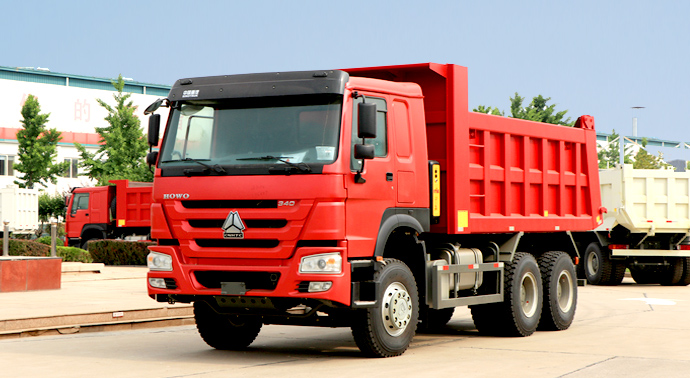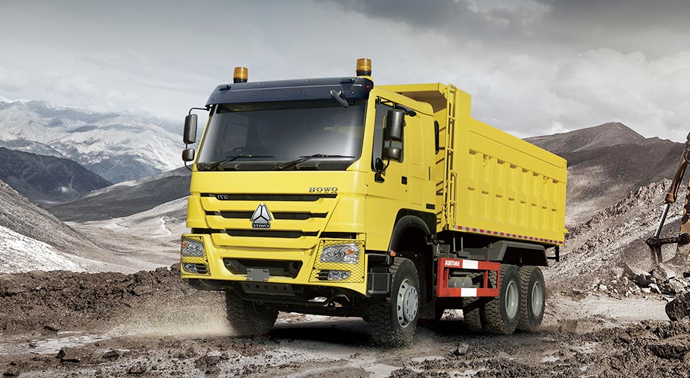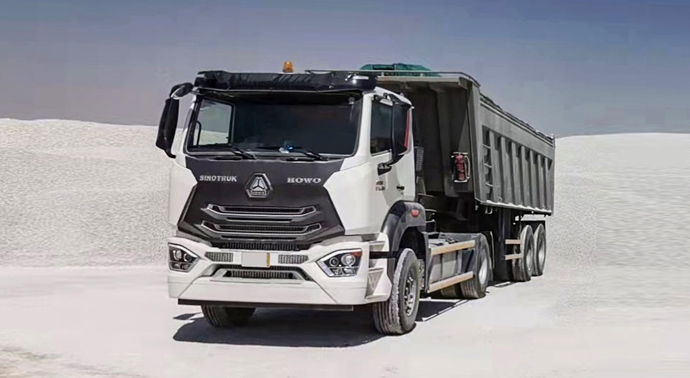

Dump-body operation combines a heavy vehicle, moving material and a changing centre of gravity. Site rules, the vehicle manual and trained supervision take priority over any general online guide. The checklist below is intended to help a fleet organize questions and records; it is not a substitute for operator training.
Complete the walk-around before starting
Check tyres, wheel fasteners, fluid leaks, lights, mirrors, steps and visible damage. Inspect the body hinge, subframe, hydraulic cylinder, hoses and controls. Make sure loose material cannot fall during travel. In the cab, confirm warning indicators, steering, brakes, horn and communication equipment according to the site procedure.
- Keep people outside the vehicle and tipping exclusion zones.
- Use level, stable ground with adequate overhead clearance.
- Check for power lines, structures and soft shoulders.
- Stop if the body rises unevenly or the vehicle begins to lean.
Control the tipping area
The operator needs a clear view or a designated spotter using agreed signals. Do not tip while the vehicle is turning or positioned across a slope. Tailgate operation, material sticking and wind can change the risk. After discharge, verify that the body is fully lowered and the controls are secured before moving away.
Record vehicle identity correctly
Engine and chassis identification locations vary by configuration. Use the vehicle documentation and manufacturer service information to locate them; never rely on one internet photograph. Clean the area carefully and record the characters without grinding, restamping or damaging the marking. Photograph the wider component and a close view so a parts specialist can understand the location.
Build a handover record
For each truck, keep an identification sheet, approved operating procedure, inspection form and defect history. A parts enquiry should include the VIN or chassis number where appropriate, engine and transmission identification, assembly photographs and the existing part number. This is safer and more accurate than ordering from the truck badge alone. Use the dump-truck catalogue for configuration context and the parts catalogue for the identification workflow.