
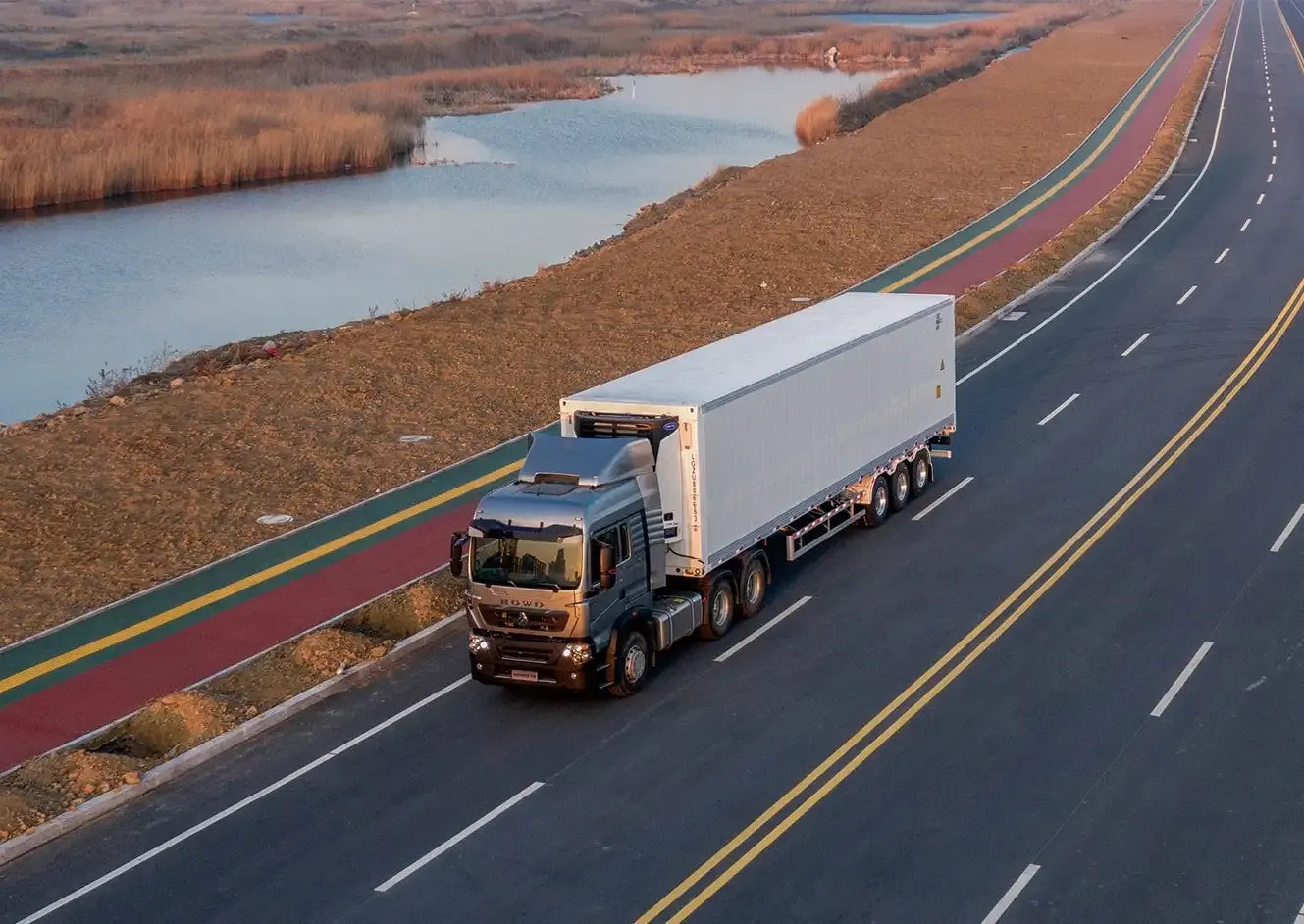
Truck badges are not precise enough for many parts orders. Production changes, engine variants, axle assemblies and previous repairs can create different components within trucks that share a model name. A useful request for quotation connects the required part to the actual vehicle and assembly.
Begin with the existing part
Clean the component without removing markings and photograph the number, logo, connector, mounting points and surrounding assembly. Record whether the part is still installed and what symptom led to replacement. If a number is damaged, provide every readable character and measured dimensions rather than guessing the missing section.
- Part number and any revision or suffix.
- VIN or chassis information where appropriate.
- Engine, transmission or axle identification.
- Quantity, left/right position and installation location.
- Wide, close and connector-side photographs.
Add vehicle and assembly context
For engine parts, record the engine identification and photograph the relevant system. For transmission or axle parts, use the assembly plate rather than only the chassis model. Electrical items need voltage, connector shape, pin count and controller context. Cab and body parts benefit from side, position and mounting details. Protect personal and unnecessary ownership information when sharing documents.
Separate identification from availability
The first task is determining the correct reference; stock, lead time and shipping are separate commercial questions. Ask the supplier to state whether the offered item is an exact reference, a supersession or an alternative, and request the technical basis for any substitution. Do not accept visual similarity as the only match for safety-related or internal components.
Send one structured RFQ
Group parts by vehicle and assembly, use one line per item and attach numbered photographs. State destination, preferred transport method and whether a partial shipment is acceptable, but avoid mixing those questions with the identity data. The parts catalogue can help locate a component family. The final match should use the number and assembly evidence supplied with the enquiry, followed by an installation check by a qualified technician.