
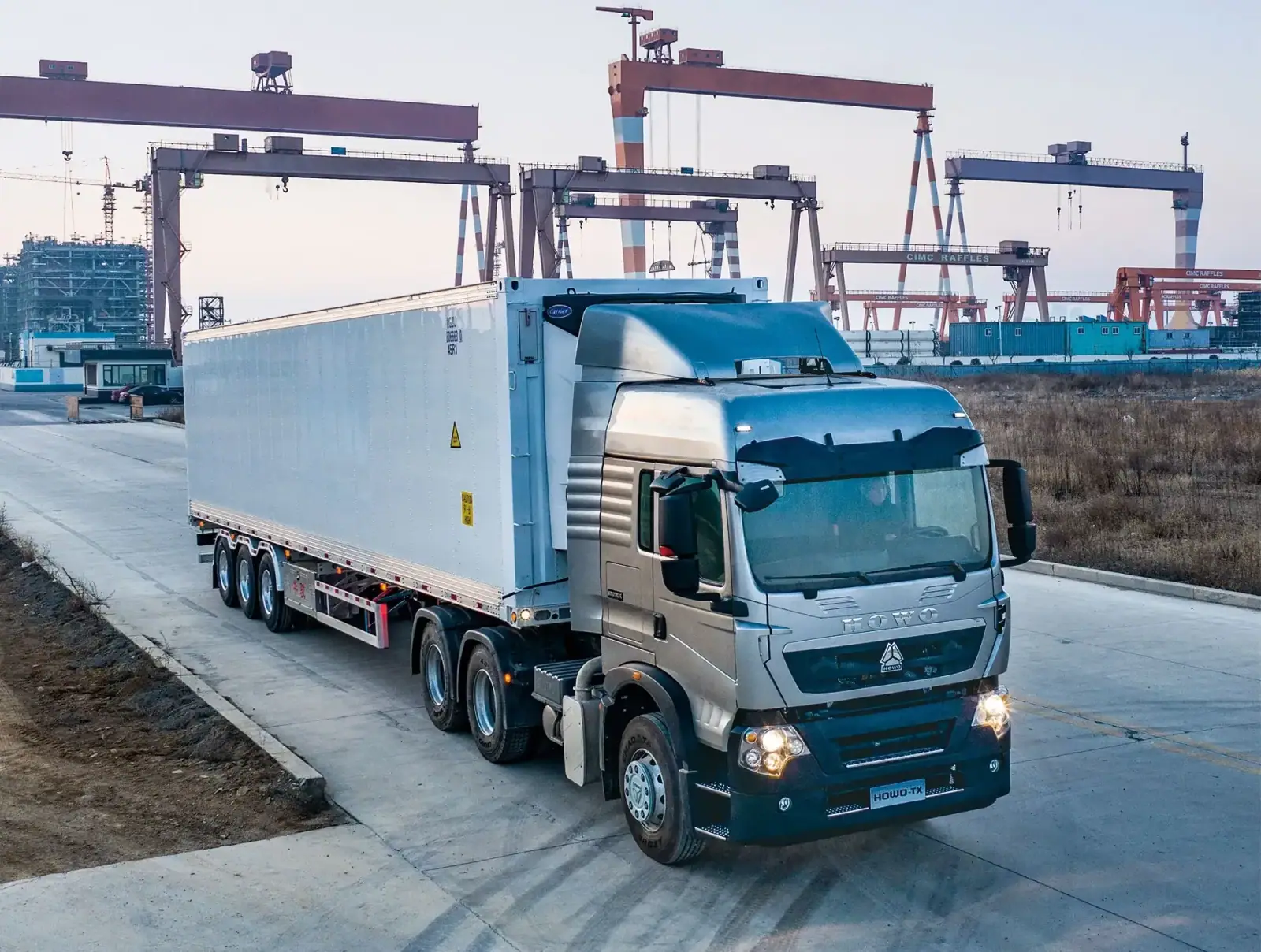
Tyre choice begins with the vehicle placard, approved specification and axle loads. A size that physically fits may still have the wrong load, speed, construction or service designation. Mixed patterns and uneven condition can also affect traction, braking and differential operation.
Identify the approved specification
Record the full sidewall marking, load and speed information, construction, rim size and position. Compare it with the vehicle documentation and actual axle configuration. For twin assemblies, check that paired tyres are compatible in size and remaining diameter. Any proposed change should be reviewed for clearance, load, gearing and legal compliance.
- Photograph each tyre position and sidewall marking.
- Measure pressure cold with a maintained gauge.
- Record tread, cuts, bulges, exposed material and valve condition.
- Check rims, fasteners and signs of movement or overheating.
Match the pattern to the duty
Long-distance paved work, mixed construction access and severe off-road haulage place different demands on tread, casing and heat management. Steering, drive and trailer positions also have different priorities. Describe the route and material to the tyre specialist instead of asking only for a “HOWO tyre.”
Keep position-based records
Assign every wheel position a stable code. Record fitment date, tyre identity, pressure checks, inspections, repairs and removal reason. This makes recurring shoulder wear, impact damage or heat visible. Rotation should follow the tyre and vehicle guidance, local rules and fleet policy; it should not be used to hide a steering, alignment, suspension or loading problem.
Plan replacement safely
Truck wheels and inflated assemblies store substantial energy. Removal, inflation and repair require trained personnel, appropriate restraints and specified procedures. Replace a tyre based on condition and applicable limits rather than an advertised lifespan. When requesting parts or service, send the complete marking, rim information, axle position and route description. The published truck catalogue provides configuration context, while the service enquiry should use the specific vehicle record.