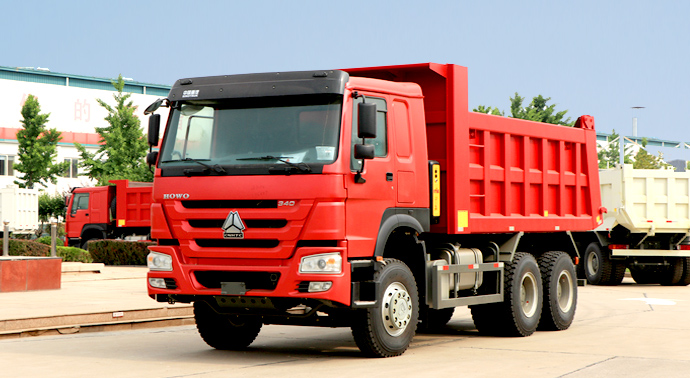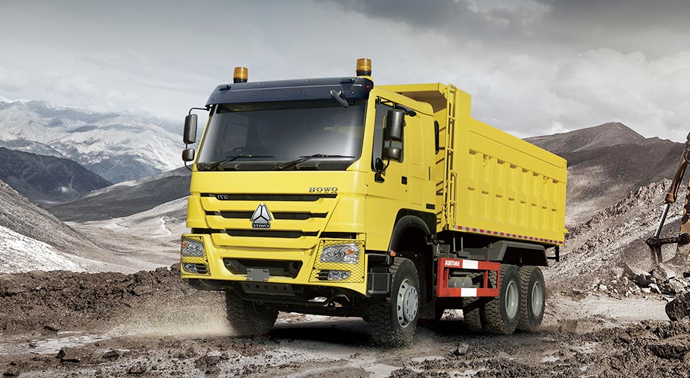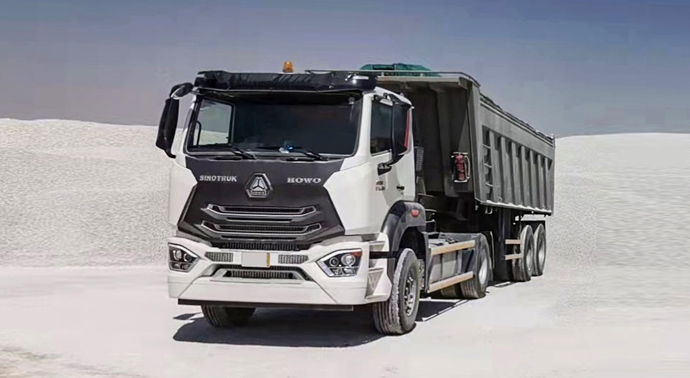
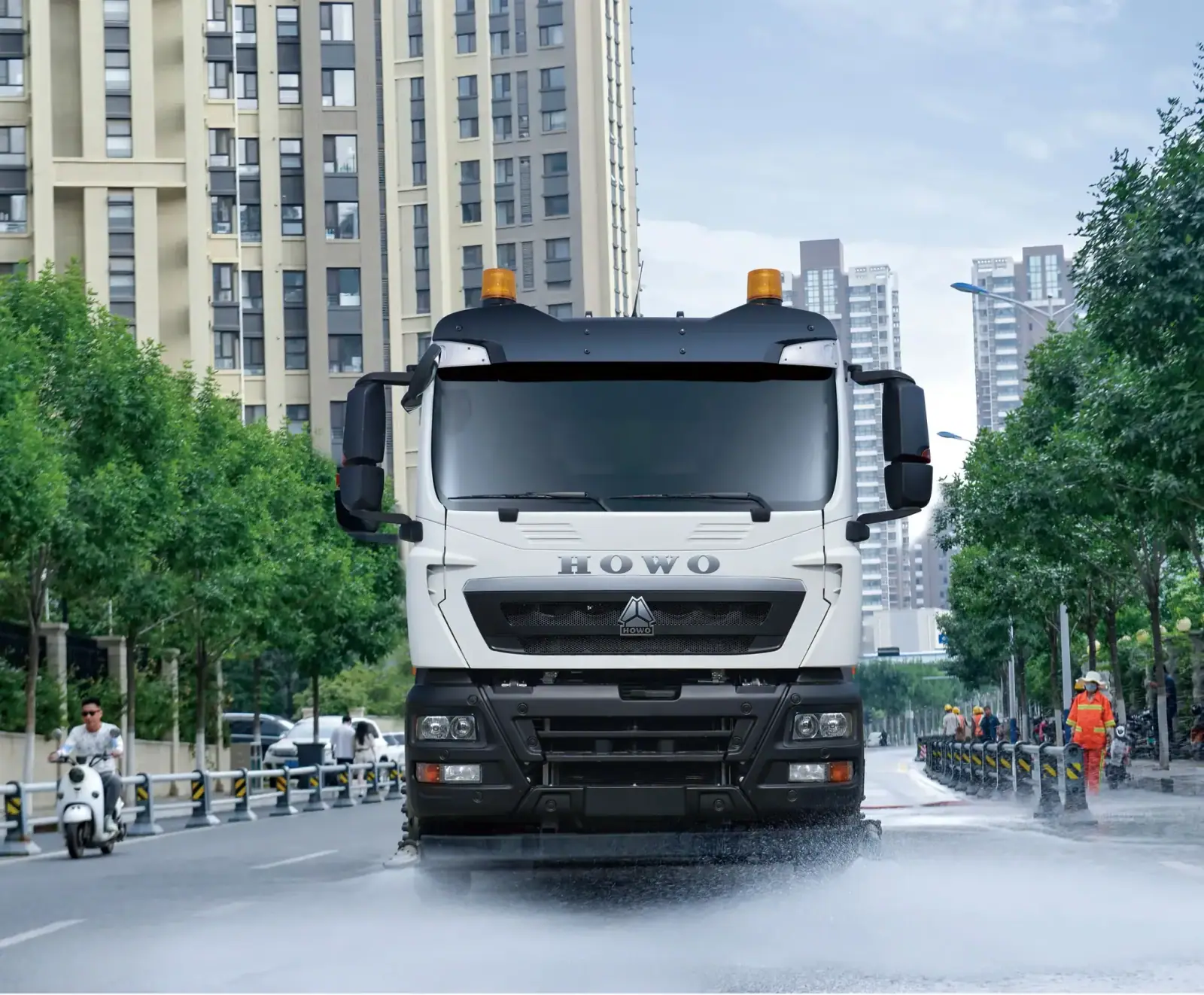
Dump-truck comparisons become unreliable when one offer describes engine power, another emphasizes body volume and a third uses a regional model nickname. Start with the work and place every candidate into the same worksheet. Empty cells should remain “to be confirmed” rather than being filled from a similar-looking truck.
Define the application boundary
Record material density, loading equipment, haul distance, road surface, gradients, turning constraints and discharge conditions. These facts determine whether traction, axle distribution, body protection, manoeuvrability or road speed deserves more weight. The largest body is not automatically the most productive configuration.
- Drive formula and axle arrangement.
- Complete-vehicle and body dimensions.
- Chassis, body and permitted mass fields.
- Engine, transmission, axle ratio and tyre specification.
- Hydraulic equipment and body construction.
Keep dimensions and capacity separate
External vehicle dimensions affect access and transport. Internal body dimensions describe physical volume. Material density and legal limits determine how much can actually be carried. Ask whether dimensions are nominal, measured or configurable, and whether mass figures refer to chassis-cab or completed vehicle. Never calculate legal payload from body volume alone.
Compare the complete powertrain
Engine output is only one row. Transmission ratios, axle ratio, tyre size, cooling package and operating altitude influence how the truck performs. Record the emissions version and aftertreatment arrangement as separate fields. A familiar horsepower label can appear across more than one configuration, so the quotation must identify the specific engine and driveline.
Review evidence before price
Attach the dated specification, identification photos and body drawing to each offer. Mark standard equipment, options and exclusions. Then compare commercial terms only between configurations that meet the same technical boundary. Record who confirmed every open field and the date of that confirmation. The online dump-truck catalogue provides a starting set of models; use the comparison feature to align published fields and send unresolved items as written questions with the enquiry.